
The world’s largest rodent – the capybara – is enjoying a long moment of fame. Search the internet and you’ll find thousands of videos of these laid-back creatures leaping into lakes, floating on the backs of crocodiles, and snuggling with one another, all while set to playful capybara music.
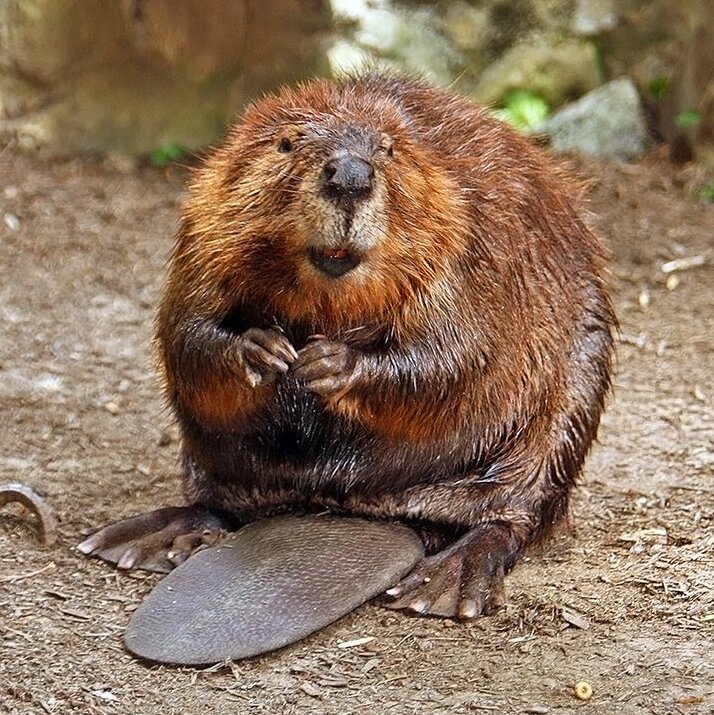
Could the world’s second largest rodent – the beaver – be poised to enjoy a renaissance of its own?
Beavers are amazing ecosystem engineers and considered a keystone species in the forests of North America. They cut down full-sized trees with their bare teeth and are able to construct large dams from scratch in only one week. Beaver-managed wetlands help to mitigate drought and wildfires and also create ecologically complete habitat for fish, birds, turtles, and other wildlife. Despite their many virtues, however, beavers have long been considered a nuisance in Minnesota.
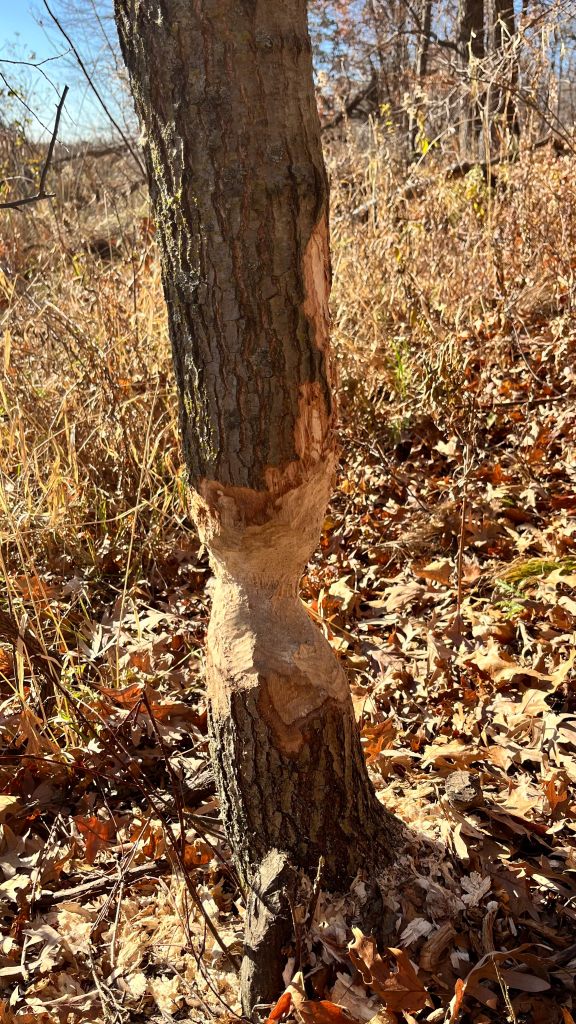
“There is a growing awareness about beavers’ ecological role,” says Andy Riesgraf, a research at the University of Minnesota, St. Anthony Falls Laboratory. “Even so, we are probably five years behind the western states where people are actively working to support beaver populations and, in some places, even re-introducing beavers into forest and lake systems where they used to live.”
In Minnesota, an estimated 20,000-30,000 beavers are harvested every year under state trapping and game laws. The animals are particularly problematic in developed regions, where their dams can block culverts and cause problems for upstream and downstream landowners. You might be surprised to learn that it is actually illegal to relocate a beaver once it is trapped. As a result, all beaver trapping in Minnesota must be lethal.
Last winter, Riesgraf teamed up with Dr. Emily Fairfax, a professor of geography, to establish Beaver Innovations LLC, a UMN start-up company that is focused on finding ways to help beavers and people coexist in harmony. “When it comes to Emily, her research is hyper-focused on beavers. It’s basically beaver or die,” Riesgraf jokes. In particular, Fairfax uses a combination of remote sensing, mapping, modeling, and field investigations to understand how beavers create drought and fire-resistant patches in the landscape that help to support climate resiliency. The duo’s first three beaver co-existence projects are located here in Washington County at the Big Marine Park Reserve expansion site and Cottage Grove Ravine Regional Park, made possible by funding from Pollinator Friendly Alliance’s biodiversity project.
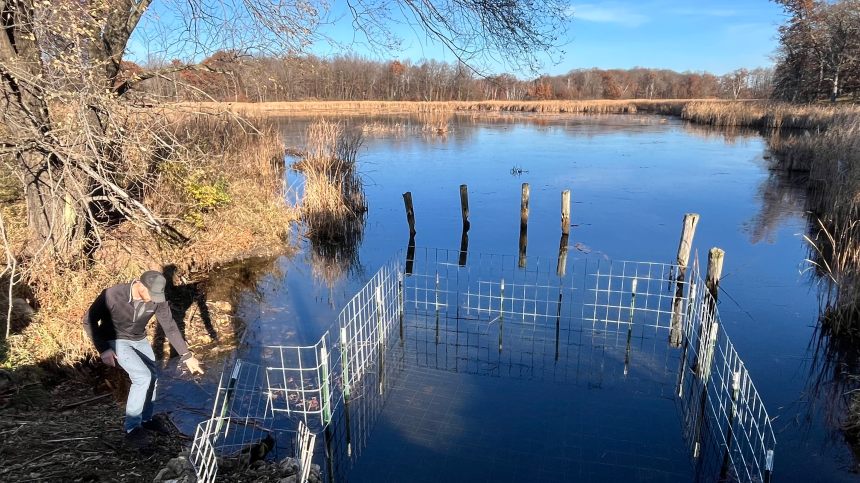
“The way it works is that we construct a culvert exclusion fence or a notch exclusion fence that makes it harder for beavers to build a dam,” Riesgraf explains. “When beavers see a culvert [at the outlet of a lake or wetland], they see a small hole that is easy to block to back-up water and gain more real estate. The fence increases the perimeter that the beavers would have to dam from 6 feet to 30 feet. They’ll still try, but it will take them a lot longer to get the job done.”
With the exclusion fences in place near Big Marine, Carnelian-Marine-St. Croix Watershed District and the Washington Conservation District have been able to reduce the amount of staff time spent clearing away wood and debris each month to maintain flood-control infrastructure. The project is saving money, reducing staff work-load, and allowing beavers to continue living their happy little beaver lives.
“This has been an all-around great initiative and we’re happy to support it,” says Dan MacSwain, Natural Resource Coordinator with Washington County Parks.
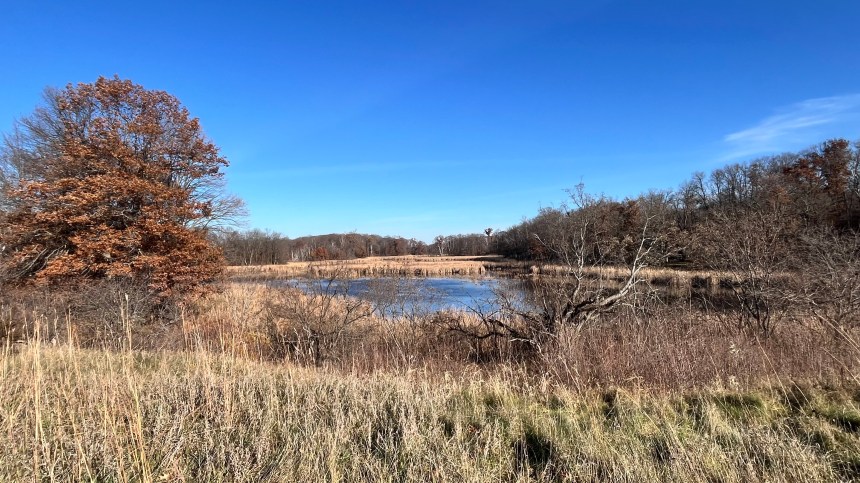
Laurie Schneider, Program Director for Pollinator Friendly Alliance agrees. “We’re interested in promoting co-existence with beavers because they are a keystone species that helps to create a complete ecosystem,” she explains. “It’s not just about pollinators – there are birds, turtles, and so many more species to protect. Our goal is to preserve this very special land, not just for wildlife now but also for future generations.”
In addition to building beaver-exclusion systems, Riesgraf and Fairfax also offer an array of services through Beaver Innovations, including site assessments, flow devices, tree wrapping, and even beaver mimicry (for people who don’t have beavers but really actually want them!). The only thing lacking might be a cute little song to add to the videos when beavers finally go viral.

 East Metro Water